
What is Occupational Therapy?
Pediatric Occupational Therapy helps children build the skills they need for everyday life. An “occupation” for a child includes everything they do in their daily routine: getting dressed, eating, playing, eating, writing, socializing, and participating at school.
Some children need extra support developing the underlying skills that make these activities easier. OT looks at the whole child, their motor skills, sensory processing, emotions, attention, routines, and environment, to help them participate meaningfully in their world.
What OT Can Help With:
OT supports children with challenges related to:
Emotional regulation and sensory processing
Executive functioning skills
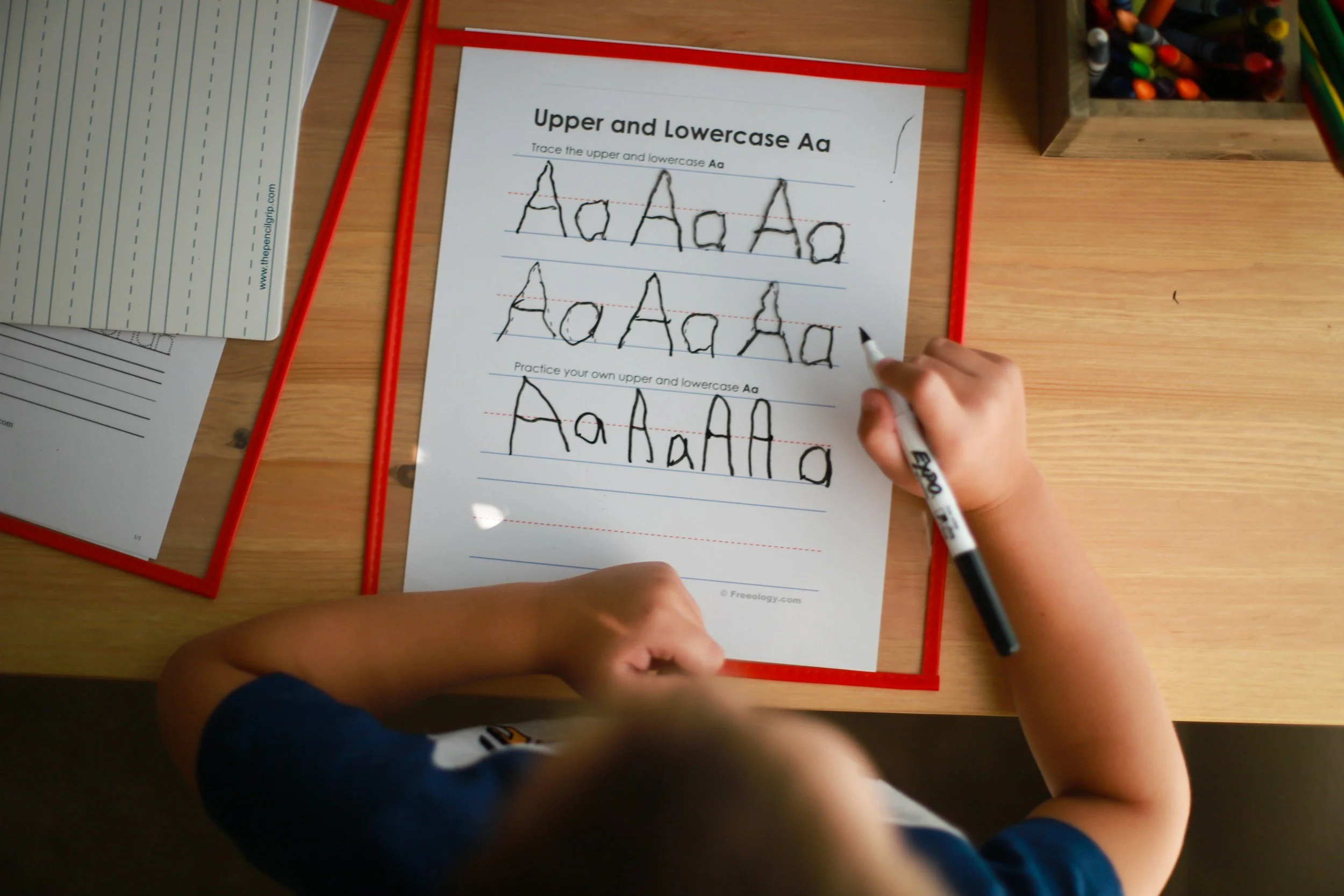
Fine motor and handwriting skills
Motor planning and coordination
Feeding and picky eating
Daily routines (dressing, toileting, brushing teeth)
Social play
School readiness
Confidence and participation
If you’re unsure whether OT is right for your child, we offer guidance and free consultations to help you decide.
Learn More About Each Area of Occupational Therapy:
Click below to explore how OT can help your child:



Booking Occupational Therapy Services
1. Comprehensive Initial Assessment
Every child begins with a 60-minute occupational therapy assessment. This includes:
Parent interview (strengths, concerns, goals)
Observation of your child’s play, skills, and daily routines
Standardized or informal play-based assessment tools (as needed)
Review of medical, educational, and developmental history
Identification of sensory, motor, emotional, and functional needs
2. Individualized Treatment Plan
Following the assessment, you will receive:
A clear explanation of your child’s strengths and areas of improvement
An individualized set of goals
Recommendations for therapy frequency
Guidance on next steps and how OT can support your child’s progress.
3. How We Provide Therapy
Cubhouse Pediatric Therapy is a fully mobile service. We provide OT sessions in:
Home
Daycare
School (with permission)
Virtual sessions (as needed)
To begin your child’s occupational therapy journey, please contact us through our contact form and we will let you know next steps regarding scheduling an assessment.